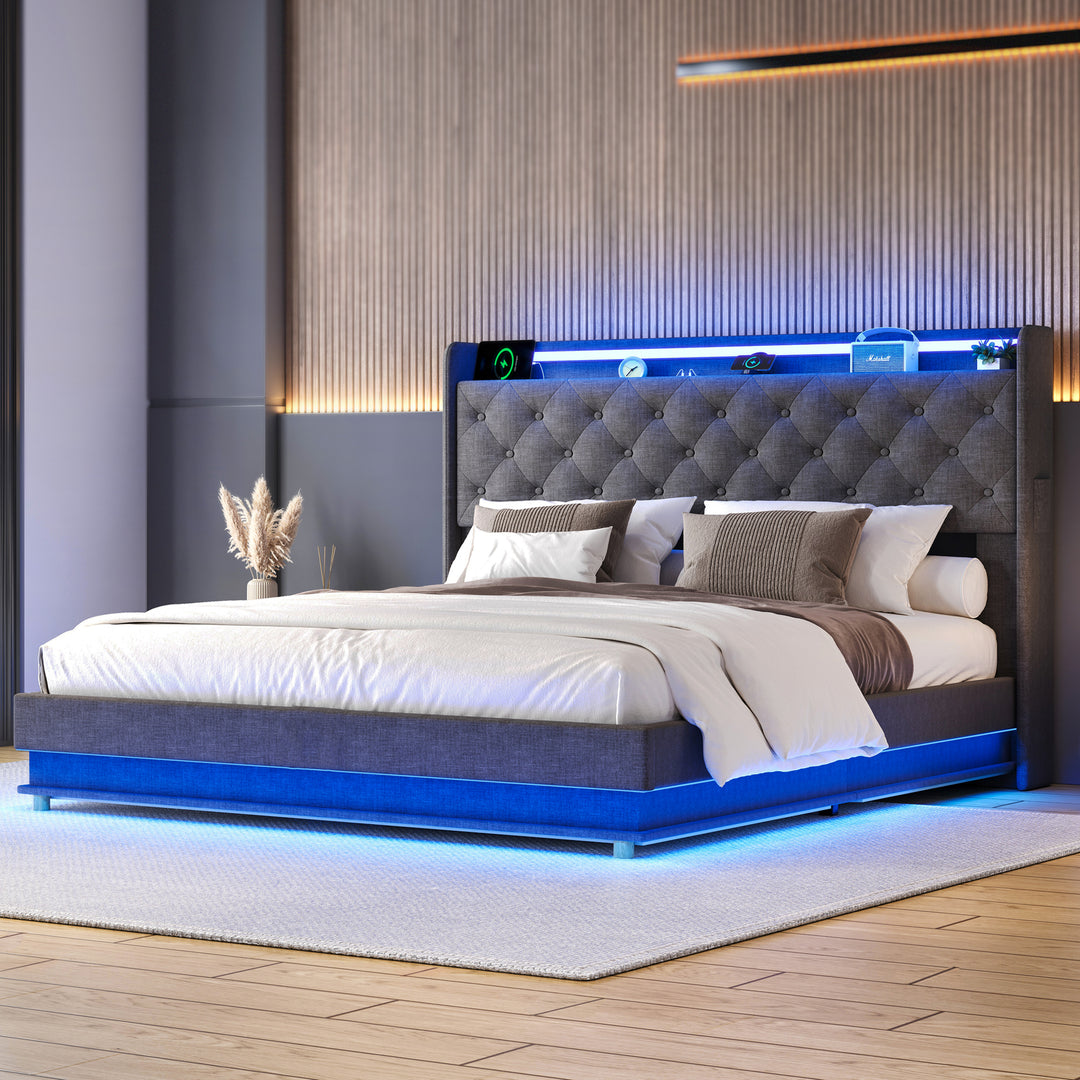
Types of Beds: Different Bed Styles and Designs Explained
Choosing a bed involves more than picking a size. There are different types of beds designed around how you sleep, how much space you have and the look you want to create in your bedroom. Some focus on practical storage, while others stand out through their construction, materials or decorative details.
Understanding these differences makes it easier to narrow down your options. You might prefer a simple platform bed, a storage design that makes better use of available space, or an upholstered frame that adds a softer look to the room.
This guide explores the main bed types, their construction, materials and features. You'll also learn how to compare different bed styles and choose one that suits your bedroom and everyday needs.
What Are the Different Types of Beds?
There are many different types of beds, and they can be classified in several ways. Some are named after their construction, others after their function or appearance. This is why you may come across different lists when researching bed types.
For example, a platform bed describes a particular supporting structure, while a storage bed describes a functional feature. An upholstered bed refers to its material and finish. A modern or traditional bed describes its overall design style. These categories can overlap, so one bed may belong to several groups at the same time. A platform bed, for instance, could also have an upholstered finish, built-in storage and a modern design.
Most common bed designs fall into three broad categories:
| Classification | Common examples | What it describes |
|---|---|---|
| Construction | Platform, panel, canopy and four-poster beds | How the bed is built and supported |
| Function | Storage, gas lift, adjustable and bunk beds | What the bed is designed to do |
| Material and appearance | Timber, metal and upholstered beds | The materials and overall look |
This distinction is useful when comparing different bed styles. Rather than treating every design as a completely separate type, it helps to understand what makes each one different.
Common Types of Beds at a Glance
Here are some of the most recognisable bed types and their defining features.
| Bed type | Main feature | Common consideration |
|---|---|---|
| Platform bed | Integrated mattress-supporting platform | Simple, streamlined construction |
| Panel bed | Distinctive headboard and often a footboard | Traditional or decorative appearance |
| Canopy bed | Four posts connected by overhead rails | Requires consideration of room proportions |
| Four-poster bed | Four prominent corner posts | A more decorative frame structure |
| Storage bed | Built-in drawers or other storage | Useful for making better use of bedroom space |
| Gas lift bed | Mattress platform lifts to reveal storage | Provides access to under-bed storage |
| Adjustable bed | Sections of the bed can change position | Requires compatible mattress support |
| Bunk bed | Two sleeping surfaces arranged vertically | Makes use of vertical room space |
| Loft bed | Raised sleeping platform with space underneath | Can free up floor space |
| Daybed | Bed designed to function as seating and sleeping furniture | Suits multi-purpose rooms |
Not every bed fits into just one category. A platform bed, for instance, can also have an upholstered finish or built-in storage.
For a closer look at the options available for your bedroom, explore Levede bed frames, which include different materials, constructions and practical features.
Different Types of Bed Frames by Design and Construction
Bed frame styles differ in how they support a mattress and how their components are arranged. Some have a simple, low-profile structure, while others feature prominent headboards, footboards or additional posts.
Understanding these differences helps you compare beds beyond their appearance. It also gives you a better idea of the components involved, including the headboard, side rails, slats and centre supports.
Platform Beds
Platform beds feature a built-in supporting surface designed to hold a mattress. This surface may use slats or another integrated support structure, depending on the frame design.
One of their defining characteristics is that the mattress sits directly on an integrated supporting structure, rather than requiring a separate mattress-supporting base. However, the exact support arrangement depends on the individual frame and the manufacturer's requirements.
Platform beds are often associated with a streamlined appearance. Their simpler construction can suit contemporary bedrooms, particularly where a less decorative frame is preferred.
When comparing platform designs, check:
- Whether the frame includes integrated slats or another supporting surface.
- The mattress requirements specified for the product.
- The overall frame height and how it fits with your bedroom furniture.
A platform bed can also be upholstered, made from timber or constructed with metal components. The platform describes its support design, not necessarily its material.
Panel Beds
Panel beds are recognised by their distinctive headboard and, in many designs, a matching footboard. These panels form a noticeable part of the frame's overall appearance.
Unlike a simple platform design, a panel bed often places more emphasis on the visible headboard and footboard. They may feature flat surfaces, decorative detailing or different finishes.
Panel beds can suit bedrooms where the bed is intended to be a central furniture feature. Their appearance varies considerably depending on the materials, panel shapes and decorative details.
One point worth remembering: panel construction does not automatically tell you how the mattress is supported. Some panel beds incorporate platform-style support, while others use different arrangements.
Canopy and Four-Poster Beds

Canopy and four-poster beds are known for their prominent corner posts, but the two designs are not exactly the same.
A four-poster bed has four posts positioned around the bed, usually extending upwards from its corners. These posts create a distinctive frame silhouette and can give the bed a more traditional or decorative appearance.
A canopy bed takes this structure further by connecting the posts with overhead rails. Some designs allow fabric or curtains to be added, while others leave the upper structure exposed.
When considering either design, think about the proportions of your bedroom. Tall posts and overhead rails can make a bed visually prominent, so the available ceiling height and surrounding furniture matter.
These designs are particularly distinctive compared with simpler platform and panel frames.
Floating and Low-Profile Beds
Floating beds create the appearance that the frame is suspended above the floor. This effect is generally achieved through concealed or recessed support structures rather than the bed actually hanging in the air.
Low-profile beds, on the other hand, sit closer to the floor than many conventional bed designs. Their frames and supporting structures are designed to create a lower overall appearance.
Both styles suit contemporary bedroom interiors, but they create different effects. Floating beds draw attention to the space beneath the frame, while low-profile designs keep the overall bed height closer to the floor.
A floating-style frame can create a sense of openness around the floor, while a low-profile bed offers a more understated silhouette. When comparing these designs, look beyond the appearance and check how the frame is actually supported.
Other Common Bed Frame Styles
Some bed frame styles are defined by the shape of their headboard, footboard or overall outline rather than by a particular support system. These designs add more variety when comparing different kinds of bed frames.
Sleigh beds
Sleigh beds have a distinctive curved headboard and footboard that resemble the shape of a traditional sleigh. They often create a more prominent, classic look than simple platform frames. Their curved profile can also make the bed visually larger, so consider the available room space before choosing one.
Slat beds

Slatted bed frames use a series of horizontal slats to support the mattress. These slats may form part of a platform bed or sit within another type of bed frame. In other words, slats describe the mattress support system rather than a completely separate frame style. Check the spacing and support requirements specified for your mattress, as these can vary between products.
Bed frames with headboards or footboards
Some frames are designed with a prominent headboard, a matching footboard or both. A headboard can provide a finished look and a surface to lean against when sitting up in bed. Frames without a footboard can create a more open appearance and may make it easier to access the bed from the end.
These styles can overlap with other categories. For example, a sleigh bed may also have an upholstered finish, while a slat bed may use a simple platform construction.
Different Types of Beds by Function and Features
Not all bed types are defined by their construction. Some are designed around a particular function, such as providing extra storage, changing sleeping positions or accommodating multiple people in a smaller room.
These functional categories can overlap with the structural designs discussed earlier. For example, a storage bed may also be a platform bed, while an adjustable bed may have a particular frame construction of its own.
Storage Beds and Gas Lift Beds
Storage beds incorporate space-saving features into the bed design. Instead of leaving the area underneath the mattress unused, they provide dedicated storage for items such as spare bedding, clothing and other bedroom essentials.
Two common storage arrangements are drawer storage and gas lift storage.
| Feature | Storage drawer beds | Gas lift beds |
|---|---|---|
| Storage access | Drawers slide out from the frame | Mattress platform lifts upwards |
| Access area | Limited to individual drawer sections | Access to the storage space beneath the lifted platform |
| Main consideration | Requires room for drawers to open | Requires enough clearance to lift the mattress platform |
| Design | Storage is incorporated into the bed frame | Storage is concealed beneath the mattress platform |
Drawer beds can be convenient when you want organised storage that is easy to access. However, you'll need to consider the space required to open the drawers.
Gas lift beds provide a different approach. The mattress platform lifts to reveal the storage area underneath, making use of space that might otherwise remain unused.
The right option depends on your bedroom layout and how you prefer to access stored items.
It's also worth distinguishing a storage bed from an ordinary bed with open space underneath. A standard frame may allow you to slide storage containers below it, but that does not make it a built-in storage bed.
Adjustable Beds
Adjustable beds are designed to change position rather than remain in one fixed configuration. Depending on the model, sections of the sleeping surface can be raised or lowered to adjust the head or foot position.
This makes them different from conventional fixed bed frames. A standard frame supports the mattress in a set position, whereas an adjustable design allows the sleeping surface to move.
Some people may prefer an adjustable arrangement for reading, watching television or reclining in bed.
However, mattress compatibility is important. Not every mattress is designed to bend with an adjustable base, so check the manufacturer's requirements before choosing one.
The adjustable mechanism, supporting structure and compatible mattress all need to work together.
Bunk Beds, Loft Beds and Daybeds

Bunk beds, loft beds and daybeds offer alternative sleeping arrangements, particularly where a room needs to serve more than one purpose.
Although they are sometimes grouped together as space-saving bed types, their designs are quite different.
Bunk beds
Bunk beds feature two or more sleeping surfaces arranged vertically. Rather than placing both beds side by side, they make use of the room's height.
This arrangement can be useful in shared bedrooms where floor space is limited. Different designs may include ladders, guardrails and additional storage features.
Loft beds
Loft beds also use a raised sleeping platform, but they typically leave the area underneath available for another purpose.
Depending on the design, this space may accommodate a desk, seating, storage or simply remain open. The main idea is to make better use of vertical space.
Daybeds
Daybeds are designed to function as both seating and sleeping furniture. Their shape often resembles a sofa or lounge, making them suitable for guest rooms, studies and multi-purpose spaces.
Unlike bunk and loft beds, daybeds do not rely on vertically arranged sleeping surfaces. Their appeal comes from their dual-purpose design.
Each option serves a different need. Think about how the room will be used throughout the day before deciding which arrangement makes the most sense.
Trundle Beds and Folding Beds

Trundle beds and folding beds are other practical options for rooms that need to accommodate occasional guests or make better use of limited floor space.
Trundle beds
A trundle bed has a second sleeping surface stored underneath the main bed. The lower bed can usually be pulled out when needed and tucked away when it is not in use. This arrangement can be useful in children's bedrooms or guest rooms where an extra sleeping space is occasionally required.
Folding beds
Folding beds are designed to be folded or collapsed for storage when they are not being used. Some models have a foldable frame and mattress, allowing them to be moved or stored more easily than a conventional bed. They can suit temporary sleeping arrangements, although comfort, storage space and ease of setup vary by design.
Both options can help a room serve more than one purpose. However, consider how often the extra sleeping surface will be used and where the bed will be stored between uses.
Different Bed Styles and Materials
Bed styles are also influenced by the materials used in their construction. Timber, metal and upholstered frames can create very different looks, even when they share a similar overall shape.
It's useful to separate material from design here. A platform bed, for example, could be made from timber or metal, while an upholstered frame could have either a modern or traditional appearance.
Timber, Metal and Upholstered Beds

Three common material categories are timber, metal and upholstered bed frames. Each offers a different visual finish and construction style.
Timber beds
Timber beds bring a natural material and finish into the bedroom. Depending on the design, they may feature visible grain patterns, simple lines or more decorative details.
They can suit a range of interiors, from understated contemporary rooms to more traditional spaces.
Metal beds
Metal beds use metal components as the main part of their frame construction. Their appearance can range from simple and minimal to more decorative designs with shaped headboards and visible frame details.
They can be a practical choice when you prefer a frame with a more defined structure and visible metal finish.
Upholstered beds
Upholstered beds feature fabric or another padded covering across parts of the frame, particularly the headboard and side sections.
They often have a softer visual appearance than exposed timber or metal designs. Headboard shapes, fabric finishes and detailing can vary considerably.
When comparing these materials, consider the look you want and how the frame fits with your existing bedroom furniture.
It's also important not to assume that material alone determines a bed's durability or comfort. Those qualities depend on the actual construction, materials and product specifications.
Modern, Traditional and Minimalist Bed Designs

Beyond their materials, beds can also be grouped by their overall decorative style.
These descriptions are useful when deciding how a bed will fit into the rest of your bedroom.
Modern bed designs
Modern beds often feature clean lines, simple shapes and relatively understated details. Platform frames, floating-style designs and contemporary upholstered beds can all fit into this category.
Some also incorporate functional features such as built-in storage, LED lighting or USB charging, depending on the product.
Traditional bed designs
Traditional bed designs often feature decorative detailing, prominent headboards and more elaborate frame shapes. They can create a classic look, particularly when paired with matching bedroom furniture.
Panel beds and four-poster designs are examples that can create a more classic bedroom appearance.
Minimalist bed designs
Minimalist beds focus on simplicity. They generally avoid excessive decoration and place greater emphasis on straightforward shapes and uncluttered finishes.
A low-profile platform frame or a simple metal bed can suit this aesthetic.
These styles are not fixed categories. A timber platform bed might look modern in one design and traditional in another. The finish, proportions and decorative details all influence the final appearance.
Scandinavian, Industrial and Rustic Bed Styles

Some bed styles are also described by the interior design influences they reflect. These labels can help you compare the overall look of different bed frames, although they do not define a particular support structure or material.
Scandinavian bed styles
Scandinavian-inspired beds often feature simple shapes, practical construction and a light, uncluttered appearance. Timber finishes and understated details are common design choices for this style.
Industrial bed styles
Industrial-style beds often use visible metal elements, strong lines and straightforward frame designs. They can suit bedrooms with an urban or utilitarian look.
Rustic and farmhouse bed styles
Rustic and farmhouse-inspired beds often emphasise natural-looking finishes, more substantial shapes and traditional details. Timber-style frames can work particularly well with these interiors.
These design influences can overlap. For example, a timber bed may suit both a Scandinavian-inspired room and a rustic interior, depending on its finish, colour and detailing.
Unusual Bed Shapes and Alternative Designs
Most bedrooms use rectangular beds because they fit standard room layouts and make it easier to arrange other furniture. However, there are also less conventional bed shapes and alternative designs worth knowing about.
These options are often more distinctive than standard bed frames, although they may require additional thought when planning a bedroom layout.
Round beds

Round beds replace the familiar rectangular shape with a circular sleeping surface. Their unusual appearance can make them a strong visual feature in a bedroom.
However, their shape may make furniture placement and the use of standard bedding less straightforward.
Hanging beds

Hanging beds are suspended using supporting ropes, chains or other suspension systems, depending on the design. They create a distinctive appearance that differs from conventional floor-supported frames.
Their installation and structural requirements need careful consideration, so they are not simply interchangeable with standard bed frames.
Murphy beds
Murphy beds are designed to fold away when not in use, usually into a wall-mounted cabinet or another integrated structure.
They can help make a room serve multiple purposes. For example, a spare room may function as a study during the day and a guest bedroom when needed.
Other unconventional designs
Some beds use unusual shapes, sculptural frames or integrated furniture arrangements to create a distinctive look.
While these designs can be interesting, practical considerations still matter. Think about the available floor area, access around the bed and whether suitable bedding and mattress options are easy to find.
Not every unusual design is practical for every home. The best choice depends on the space available and how you intend to use the room.
How to Choose the Right Type of Bed
With so many bed types available, it helps to narrow down your options based on practical needs rather than appearance alone.
Start with the room itself, then consider storage, materials and the construction of the frame. A design that looks appealing may not be the most suitable choice if it makes the bedroom difficult to use.
Compare Bed Types Based on Your Needs
Different bed types suit different rooms and everyday requirements. Use this comparison to narrow down the options before looking at specific frame designs.
| Bed type | May suit | What to consider |
|---|---|---|
| Platform bed | Bedrooms where a straightforward frame design is preferred | Mattress support and overall frame height |
| Storage bed | Rooms with limited storage space | Drawer clearance or the space needed for the lift mechanism |
| Upholstered bed | Bedrooms where a padded headboard or softer finish is preferred | Fabric finish and cleaning requirements |
| Bunk bed | Shared bedrooms with limited floor space | Ceiling height, guardrails and access to the upper sleeping surface |
| Loft bed | Rooms where the space underneath can be used for another purpose | Ceiling height and clearance underneath the sleeping platform |
| Daybed | Guest rooms and multi-purpose spaces | Suitability for both seating and sleeping |
These are general comparisons rather than fixed rules. The best option depends on the room dimensions, the frame's design and how you plan to use it.
Consider Your Bedroom Size and Layout
Before choosing between different bed styles, measure your available bedroom space.
The bed needs to fit comfortably without making it difficult to move around the room or access other furniture.
Consider:
- The available floor area and the position of the bed.
- Space needed for doors, wardrobes and drawers to open.
- Clearance around bedside tables and other furniture.
The mattress size is also important, but remember that the overall bed frame can be larger than the mattress it supports.
If you're considering a larger or more decorative frame, such as a canopy or sleigh bed, allow for its full dimensions rather than measuring only the mattress area. Also check the available ceiling height for taller designs and leave enough clearance for doors, drawers and walkways.
If you're still deciding between Australian mattress sizes, consider the space needed for both the mattress and the complete frame before making your choice.
Think About Storage and Everyday Use
Your everyday routine can help determine which functional bed type makes the most sense.
If bedroom storage is limited, a drawer or gas lift bed may help you make better use of the available space.
If you prefer a simpler arrangement, a standard platform or panel bed may be more suitable.
Think about how frequently you'll need to access stored items, too. Drawers require space to open, while gas lift designs require access to the lifting mechanism.
If you occasionally need an extra sleeping space, a trundle or folding bed may be worth considering. For a room that needs to function as both a living area and a bedroom, a daybed or Murphy bed may offer a more flexible arrangement.
The best choice is the one that fits naturally into how you use your bedroom.
Check Materials, Frame Construction and Mattress Compatibility
Once you've narrowed down the design, look more closely at the frame itself.
Timber, metal and upholstered beds offer different appearances, but the construction is just as important as the finish.
Check the following before purchasing:
- Frame components: Understand the role of the headboard, side rails, slats and centre supports.
- Support structure: Check how the mattress is supported and whether the frame includes an integrated platform.
- Mattress compatibility: Confirm that the frame is suitable for your mattress type and dimensions.
- Overall dimensions: Check the complete frame measurements rather than relying only on the mattress size.
It's also useful to understand the difference between a bed frame and a bed base. These terms are sometimes used interchangeably, but they do not always describe the same construction.
A bed frame generally refers to the structure that holds and supports the mattress. Depending on the design, it may include a headboard, footboard, side rails, legs and a slatted or platform support system. A bed base usually refers to the foundation that directly supports the mattress. Some products combine the frame and mattress support into one complete unit, while others use a separate base. As retailers may use these terms differently, check the product description to understand exactly what is included.
Bed slats are another part of the support system. They are horizontal pieces fitted across the frame to hold the mattress. Some frames use slats as their main support, while others use a solid platform or a different foundation. This is why checking the product's construction and mattress requirements is more useful than relying on the product name alone.
For a more detailed explanation of headboards, footboards, side rails, slats and other components, see our guide to parts of a bed frame.
Taking the time to check these details can help you avoid choosing a frame that doesn't suit your mattress or bedroom layout.
Frequently Asked Questions About Different Types of Beds
What Are Different Kinds of Beds?
Different kinds of beds include platform beds, panel beds, canopy beds, four-poster beds, storage beds, adjustable beds, bunk beds, loft beds and daybeds. They can be grouped by their construction, function, materials or overall design.
What Are the Names of Different Types of Beds?
Common bed names include:
- Platform beds
- Panel beds
- Canopy beds
- Four-poster beds
- Storage beds
- Gas lift beds
- Adjustable beds
- Bunk beds
- Loft beds
- Daybeds
- Murphy beds
- Upholstered beds
- Trundle beds
- Folding beds
- Sleigh beds
Some names describe how a bed is constructed, while others refer to its function or materials.
What Are the Four Types of Beds?
There isn't one universally accepted classification of four bed types. However, a simple way to understand the main categories is to group beds into four broad types:
- Platform beds: Feature an integrated mattress-supporting structure.
- Panel beds: Often feature distinctive headboards and footboards.
- Storage beds: Include drawers or lift-up storage underneath.
- Adjustable beds: Allow sections of the sleeping surface to change position.
These categories are useful starting points, although many bed designs overlap.
What Are the Different Types of Beds and Their Typical Dimensions?
Bed types and bed sizes describe two different things. A platform bed, storage bed or upholstered bed can come in several mattress sizes.
Common Australian mattress sizes are:
| Australian bed size | Typical mattress dimensions |
|---|---|
| Single | 92 × 188 cm |
| King Single | 107 × 203 cm |
| Double | 138 × 188 cm |
| Queen | 153 × 203 cm |
| King | 183 × 203 cm |
These are mattress dimensions, not complete bed frame measurements. The frame may extend beyond the mattress, depending on its headboard, side rails and overall construction.
Always check the individual product dimensions before choosing a bed.
What Are Some Different Shapes of Beds?
Rectangular beds are the most common, but other shapes are available.
Some examples include:
- Round beds: Feature a circular sleeping surface.
- Rectangular platform beds: Use a straightforward, streamlined frame shape.
- Canopy beds: Have four corner posts connected by overhead rails.
- Floating-style beds: Use concealed supports to create a suspended appearance.
The shape affects the overall look of the bed and how easily it fits into the bedroom layout.
What Are Some Unusual Bed Shapes?
Some unusual bed designs include round beds, hanging beds, sculptural beds and unconventional multi-purpose sleeping arrangements.
Murphy beds are another alternative. Rather than using an unusual sleeping surface, they fold away when not in use to free up room space.
These designs are less conventional than standard rectangular bed frames and may require additional planning around furniture placement and available space.
What Is the Most Comfortable Bed Type?
There isn't one bed type that's the most comfortable for everyone. Comfort depends on personal preferences, the mattress and how the complete bed is set up.
It's also important to distinguish between the bed frame and the mattress. The frame provides the supporting structure, while the mattress plays a major role in how the sleeping surface feels.
When choosing a bed, consider the mattress you intend to use and check that it's compatible with the frame.
What Are Some Modern Bed Designs?
Modern bed designs often feature clean lines, simple shapes and practical details.
Popular examples include:
- Platform beds: Often have streamlined frames and integrated mattress support.
- Floating-style beds: Use concealed supports for a more open appearance.
- Upholstered beds: Combine padded finishes with contemporary headboard designs.
- Storage beds: Incorporate practical storage without requiring separate bedroom furniture.
Modern designs can also include features such as gas lift storage, LED lighting and USB charging, depending on the frame.
Explore Different Bed Types with Levede
The right bed depends on more than its appearance. Consider the frame construction, material, available storage and how much space you have in your bedroom before making a decision.
Whether you prefer a simple platform design, a practical storage bed or a more decorative upholstered frame, understanding the different types of beds makes it easier to compare your options.
Explore the range of Levede furniture and find bed frame styles to suit your bedroom and everyday needs.