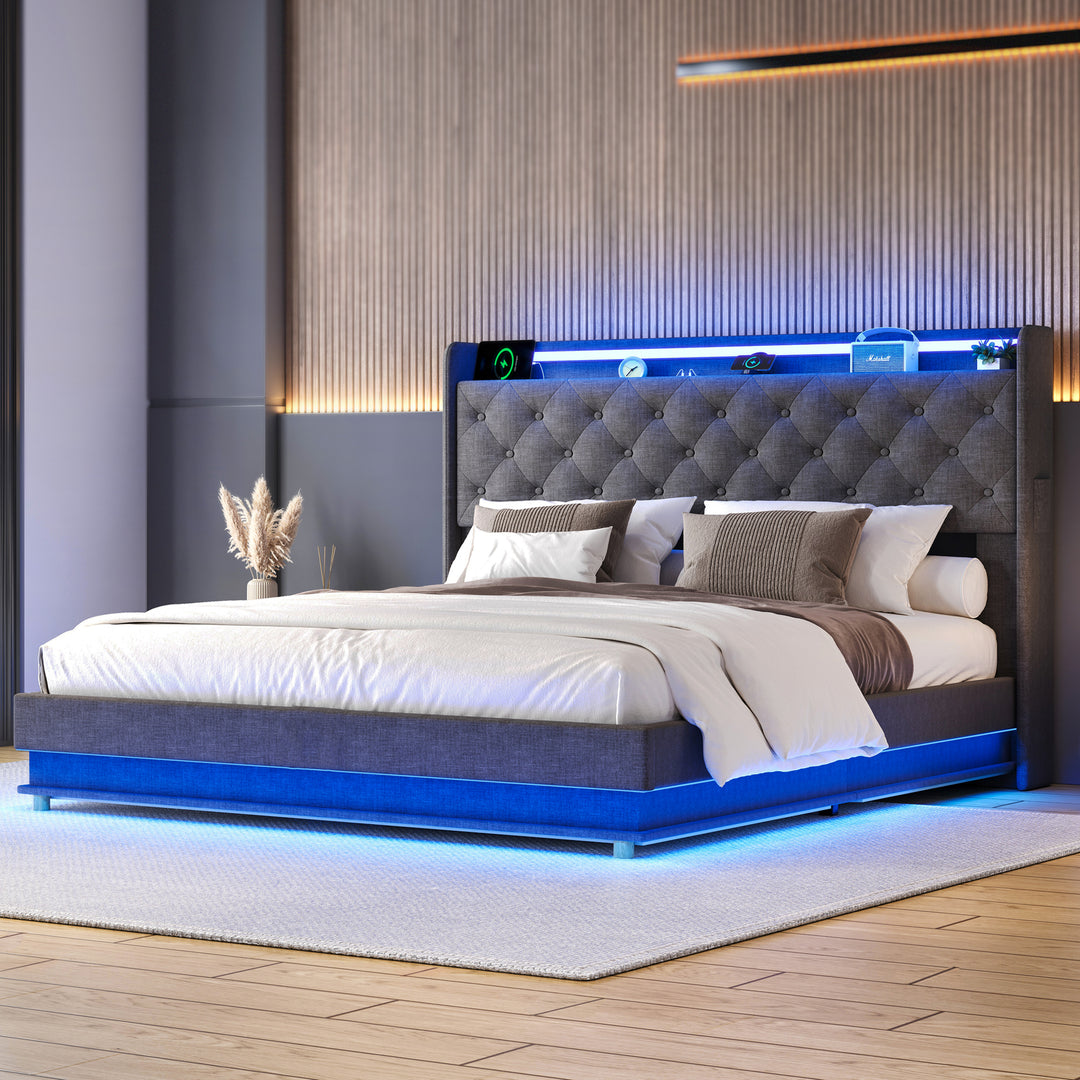
Parts of a Bed: Names and Functions Explained
A bed is made up of several components, from the bed frame and headboard to the mattress and supporting slats. Each component has a specific role in how the bed looks and functions. But what are the different parts of a bed called, and how do they fit together?
Whether you're assembling a new bed, replacing a component or simply curious about how your bed is constructed, understanding the different parts of a bed makes things much easier.
Let's break it down, starting with the main components before looking at the smaller details.
What Are the Main Parts of a Bed?
A typical bed consists of several main components. Some form the outer structure, while others support the mattress or make the bed more practical for everyday use.
The exact arrangement depends on the bed design. A simple platform bed, for example, may have a built-in slatted base, while another design may use a separate foundation.
Here's a quick overview of the main bed parts and what they do.
| Component | Main Function |
|---|---|
| Bed Frame | Forms the main structure of the bed |
| Headboard | Sits at the head of the bed and provides a finished backrest |
| Footboard | Forms the end section at the foot of the bed |
| Side Rails | Connect the headboard and footboard |
| Bed Legs | Support the frame above the floor |
| Bed Slats | Provide a supporting surface beneath the mattress |
| Centre Support Beam | Supports the middle section of the bed frame |
| Mattress | Provides the main sleeping surface |
| Bed Base | Supports the mattress from underneath |
These components work together, but they aren't all found in every bed. Some are essential to a particular frame design, while others are optional additions.
So, where does the bed frame fit into the picture? It's the main structure that brings many of these parts together.
What Are the Different Parts of a Bed Frame?

A bed frame forms the main structure that holds the mattress and connects the different sections of the bed. It can be made from timber, metal or upholstered materials, depending on the design.
Each part of a bed frame has a specific function, from connecting the headboard and footboard to supporting the mattress underneath. Understanding bed frame parts is useful when you're assembling a new bed, checking its construction or looking for a replacement component. If you're exploring different styles and designs, browse our bed frames collection.
Here are the main parts of a bed frame and their functions.
Headboard and Footboard
The headboard and footboard are the two end sections of a traditional bed frame. They help define the overall shape and appearance of the bed.
Headboard
The headboard sits at the head of the bed, usually behind the pillows. It is often one of the most noticeable parts of the frame.
Its main purposes include:
- Providing a finished appearance at the head of the bed.
- Offering a backrest when sitting up to read or relax.
- Adding a decorative feature to the bedroom.
Headboards come in different designs, including timber panels, metal frames and upholstered styles. Some feature additional details, such as built-in shelving, lighting or USB charging ports.
Footboard
The footboard sits at the opposite end of the bed, near your feet. It forms the lower end of the frame and can give the bed a more traditional, enclosed appearance.
Not every bed has a footboard. Many modern designs leave the foot end open for a simpler look and easier access.
The headboard and footboard can also differ in height and style. Some have matching designs, while others use a taller headboard and a much lower footboard.
Side Rails and Bed Frame Legs
Side rails and bed legs are important bed frame components. They help form the outer structure and support the frame above the floor.
Side Rails
Side rails are the long horizontal sections that run along both sides of the bed. They connect the headboard and footboard, creating the main rectangular frame.
Their functions include:
- Connecting the two end sections.
- Supporting the mattress foundation or slatted base.
- Helping keep the bed frame together as one structure.
Depending on the design, side rails can be made from timber, metal or upholstered panels.
Bed Frame Legs
Bed frame legs sit underneath the frame and transfer its weight towards the floor. They also raise the frame above the floor, although the amount of clearance underneath varies between designs.
Leg designs vary considerably. Some beds have four corner legs, while others include additional support points along the centre of the frame.
A bed may also use a floating-style design, where the supporting structure sits further underneath the frame and is less visible from the sides.
Centre Support Beam and Support Legs
Some bed frames have a centre support beam running lengthways through the middle of the frame. It provides additional support beneath the mattress platform.
You may also see this component called a centre rail or central support rail.
The centre support beam usually works alongside vertical support legs positioned underneath it.
Here's how these bed frame pieces work together:
- Centre Support Beam: Runs along the middle of the frame to support the central section.
- Centre Support Legs: Sit underneath the beam and transfer support towards the floor.
- Support Connections: Brackets and fasteners help secure the components in position.
These components are particularly relevant when examining larger or more complex bed frame designs. However, not every bed uses the same support arrangement.
Some frames have a central rail and additional legs, while other designs use different structural layouts. Always check the construction of the individual frame rather than assuming every bed has identical components.
Bed Slats

Bed slats are narrow horizontal boards or supports positioned across the width of a bed frame, underneath the mattress.
They form part of the mattress support system and are commonly found in platform-style beds.
Their main purpose is straightforward: they provide a surface for the mattress to rest on.
There are two common types of bed slats.
Fixed Slats
Fixed slats are generally flat, rigid supports attached to the bed frame. They provide a consistent supporting surface beneath the mattress.
Sprung Slats
Sprung slats are slightly curved and designed to flex under pressure. They can provide a different feel from rigid, flat slats.
The two designs are not interchangeable in every bed. Their suitability depends on the frame construction and mattress requirements, so check the manufacturer's guidance before choosing a replacement or alternative slat system.
When looking at bed wood parts, slats are one of the most recognisable components. They may be made from timber or incorporated into other supporting structures, depending on the frame.
Canopy, Bed Posts and Other Frame Features
Some beds include additional structural or decorative features that aren't found on standard bed frames.
These components are usually associated with particular styles.
- Bed Posts: Vertical posts positioned at the corners or ends of certain bed designs. They can support decorative elements or form part of the overall frame.
- Canopy: A frame structure that extends above the bed, often supported by four posts. It creates an enclosed or decorative appearance.
- Decorative Panels: Additional sections used to give the headboard, footboard or side rails a particular style.
A canopy bed, for example, has a very different appearance from a simple platform frame. Yet both can serve the same basic purpose of supporting a mattress.
The important thing to remember is that these features are optional. They're not standard bed frame components across every design.
Mattress, Bed Base and Other Support Components
The bed frame isn't the only part of a complete bed setup. The mattress and the structure underneath it also play important roles.
But here's where things can get confusing. A bed frame, bed base and mattress aren't necessarily the same thing.
Mattress and Bed Base

The mattress is the main sleeping surface. It sits above the supporting structure and is available in different constructions, materials and comfort styles.
The bed base is the structure or platform underneath the mattress. Depending on the bed design, it may be built directly into the frame or supplied as a separate component.
To make the distinction clearer:
| Component | What It Does |
|---|---|
| Bed Frame | Forms the main structure and holds the supporting components |
| Bed Base | Provides the surface or foundation beneath the mattress |
| Mattress | Provides the surface you sleep on |
Some modern platform beds combine the frame and mattress support into one design. For example, a frame may include built-in wooden slats, meaning you don't necessarily need a separate foundation.
Other bed designs use a separate base.
The terminology can vary between manufacturers, too. That's why it's worth checking the actual product construction rather than relying on the name alone.
Box Spring and Bunkie Board
Box springs and bunkie boards are two types of mattress support components. Both sit underneath a mattress, but they have different constructions.
Box Spring
A traditional box spring is a box-shaped mattress foundation built around a supporting frame and spring system. Modern foundations sold under similar names may use different internal constructions, so the term isn't always used consistently.
Box Spring sits between the mattress and the bed frame, providing an additional supporting layer and raising the overall height of the bed.
Traditional box springs were commonly used with innerspring mattresses. However, modern mattress foundations can have different internal constructions, so the term isn't always used consistently.
Bunkie Board
A bunkie board is a thin, flat support board placed underneath a mattress.
It provides a more even supporting surface without adding as much height as a traditional box spring.
Bunkie boards are often used with bunk beds, platform beds and other frames where a low-profile support surface is preferred.
What's the difference?
| Feature | Box Spring | Bunkie Board |
|---|---|---|
| Construction | Box-shaped foundation, traditionally containing springs | Thin, flat supporting board |
| Height | Generally adds more height | Designed to add minimal height |
| Main Purpose | Supports and raises the mattress | Provides a low-profile supporting surface |
| Typical Use | Traditional bed setups | Bunk beds and compatible platform frames |
Neither component is necessary for every bed. Some platform frames already have built-in slats or a solid supporting surface.
Always check the bed frame and mattress requirements before adding another support layer.
Bed Frame Hardware and Fasteners
Not all bed frame components are large or immediately visible. Smaller hardware pieces help connect the different sections and keep the frame assembled.
Common bed frame hardware includes:
- Bolts: Secure larger frame sections together.
- Screws: Attach smaller components and supporting pieces.
- Brackets: Connect or reinforce joints between different sections.
- Washers: Sit beneath bolt or screw heads to help distribute pressure around the fastening point.
These are often listed separately in a bed's assembly instructions.
If you're looking at a replacement part or assembling a new frame, don't overlook the hardware. The correct fasteners and connections are part of the overall bed frame construction.
Optional Bed Features and Storage Components
Not every bed is built the same way. Some designs include additional features that make the space underneath or around the frame more useful.
These aren't essential parts of every bed, but they're worth understanding when comparing different styles.
Storage Drawers and Gas Lift Mechanisms

Storage beds are designed to make better use of the space beneath the mattress. Two common designs use drawers or a gas lift mechanism.
Storage Drawers
Storage drawers are built into the lower section of the bed frame. They slide out from the sides or foot end, providing space for items such as spare bedding, clothing and other bedroom essentials.
Their position and number depend on the individual design.
Gas Lift Mechanisms
A gas lift mechanism uses lifting hardware to raise the mattress platform, allowing access to storage underneath.
Unlike drawer storage, which requires space to pull drawers out, a gas lift design provides access from above.
Here's a quick comparison:
| Feature | Storage Drawers | Gas Lift Mechanism |
|---|---|---|
| Access | Pull-out drawers | Lift-up mattress platform |
| Storage Location | Built into the lower frame | Underneath the mattress platform |
| Main Feature | Individual storage compartments | Access to a larger under-bed area |
Both designs can help make a bedroom more organised. The better option depends on your room layout, available space and storage needs.
If you're considering a bed with built-in storage, explore beds with storage to see the different designs available.
Trundles and Other Optional Features
A trundle is a separate bed platform or unit that fits underneath another bed. It can be pulled out when an additional sleeping space is needed and stored away when not in use.
Trundles are commonly associated with daybeds and certain children's or guest bed designs.
Although a trundle may look similar to an under-bed storage drawer from the outside, the two serve different purposes.
- Trundle: Provides an additional sleeping surface.
- Storage Drawer: Provides space for storing bedroom items.
Other optional features can include built-in lighting, USB charging ports and adjustable headboards.
These additions don't change the basic purpose of the bed frame, but they can make a particular design more practical for everyday use.
Frequently Asked Questions About Bed Parts
What Are the Main Parts of a Bed?
The main parts of a bed include the bed frame, headboard, footboard, side rails, legs, mattress and supporting components such as slats. Some designs also include storage drawers, centre support beams and additional features.
What Are the Parts of a Bed Frame Called?
Common bed frame parts include the headboard, footboard, side rails, legs, centre support beam, support legs and bed slats. The exact components depend on the frame design.
What Is the Difference Between a Bed Frame and a Bed Base?
A bed frame forms the main structure of the bed, while a bed base provides support underneath the mattress. Some platform beds combine both into one design, with built-in slats or a supporting platform.
Do All Beds Have a Headboard and Footboard?
No. Many traditional beds have both, but modern bed frames don't always include a footboard. Some designs also have a low-profile or open head end.
What Are the Slats Under a Mattress Called?
They're called bed slats. These are horizontal supports that sit underneath the mattress and help distribute its weight across the bed frame. Some frames use fixed slats, while others have sprung slats.
Conclusion: Understanding the Parts of a Bed
Understanding the parts of a bed makes it easier to recognise how different components work together. From the headboard and side rails to the slats and mattress base, each part has its own purpose.
Whether you're replacing an existing frame or choosing a new bedroom setup, knowing what to look for can help you make a more informed decision.
When you're ready to explore different styles and designs, take a look at Levede furniture and find a bed frame that suits your bedroom and everyday needs.